
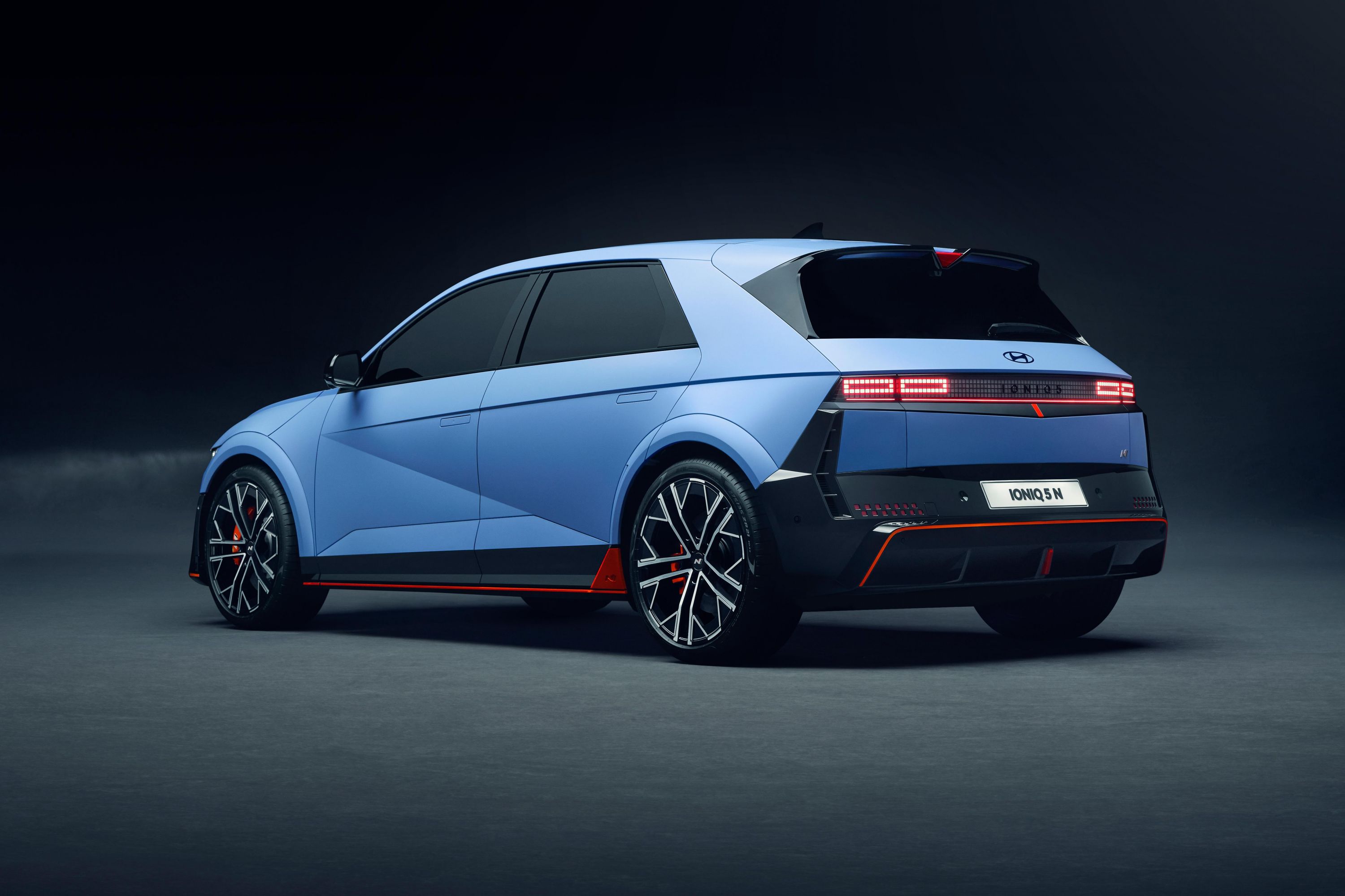
Imagine a future where your car's windshield isn't just a pane of glass, but a dynamic display that anticipates your needs and enhances your driving experience. Hyundai is hinting at just that, and it's got everyone buzzing. Forget squinting at small screens and fumbling with buttons; the future of driving could be right in front of your eyes.
Let's face it, current in-car tech can be a bit distracting. Navigating menus, glancing at the speedometer, and trying to keep your eyes on the road simultaneously can feel like a juggling act. We all crave a smoother, more intuitive driving experience that keeps us safe and informed without overwhelming us.
Hyundai's recent teaser suggests a move towards augmented reality in their electric vehicles. The concept involves a holographic windshield display that projects vital information directly onto the glass, potentially offering turn-by-turn directions, speed alerts, and even object detection warnings seamlessly integrated into your field of view. This technology aims to revolutionize how we interact with our cars, making driving safer, more convenient, and more engaging.
Hyundai's glimpse into the future of EVs showcases a commitment to innovation, prioritizing driver safety and convenience through cutting-edge technology like holographic windshield displays. This advancement could significantly improve the driving experience by reducing distractions and providing essential information in a clear and intuitive way. The focus on electric vehicles further highlights Hyundai's dedication to a sustainable and technologically advanced future of transportation. The key takeaways are: holographic displays, EVs, safety, convenience, innovation, and future of driving.
Hyundai Teases Futuristic EVs With Holographic Windshield Display and My First Car
I remember the day I got my first car. It was a used sedan, nothing fancy, but it wasmine. The radio was a basic AM/FM unit, and navigation meant unfolding a paper map at a rest stop. The thought of a holographic display projecting directions onto the windshield was pure science fiction. Even now, the idea seems almost unbelievable, and it makes me excited for the next generation of drivers. I can see myself getting lost in a new city, and instead of squinting at a map, my windshield shows me the way. Parking would be easier with object detection, the windshield shows me how close i am to the car. This kind of augmented reality could transform not just the driving experience, but also the ease and safety of navigating everyday life. Imagine the potential benefits for elderly drivers or those with impaired vision. This kind of technology could extend their safe driving years and enhance their independence. It's not just about fancy gadgets; it's about making driving safer and more accessible for everyone. Beyond individual benefits, a network of cars with advanced sensor technology could communicate road hazards and traffic conditions in real-time, creating a safer environment for all drivers. The future is here.
What Is Hyundai Teases Futuristic EVs With Holographic Windshield Display?
Hyundai Teases Futuristic EVs With Holographic Windshield Display refers to Hyundai's recent announcement and demonstration of upcoming electric vehicles that will feature holographic windshield displays. This technology would utilize the windshield as an augmented reality interface, projecting vital information directly into the driver's field of vision. Imagine driving down the road, and instead of glancing at your instrument panel, the speed is displayed on the windshield in front of you. You would get turn by turn instructions without even needing to look at the screen. This includes navigation directions, speed limits, hazard warnings, and potentially even points of interest. This innovative approach aims to minimize driver distraction, improve safety, and create a more immersive and intuitive driving experience. Holographic windshield displays also open up new possibilities for entertainment and connectivity, potentially allowing drivers to access information and control vehicle functions without taking their hands off the wheel or their eyes off the road. The underlying tech is complex, requiring sophisticated projection systems, sensors, and software to accurately map information onto the windshield and track the driver's head movements. However, the potential benefits are substantial, making holographic windshield displays a key area of innovation for the automotive industry.
History and Myth of Hyundai Teases Futuristic EVs With Holographic Windshield Display
The concept of projecting information onto a windshield has been around for decades, often depicted in science fiction films and futuristic concepts. The history of head-up displays (HUDs) in vehicles serves as a precursor to Hyundai's holographic windshield display. Traditional HUDs project information onto a small portion of the windshield, typically in a limited monochrome display. However, they laid the groundwork for integrating information displays into the driver's field of view. Early attempts at creating more advanced windshield displays faced challenges related to display technology, processing power, and cost. As technology has advanced, holographic displays have become increasingly feasible. Hyundai's teaser represents a significant step towards realizing the full potential of this technology, by integrating a full-windshield display into their electric vehicles.
The myth surrounding holographic windshield displays often centers around the potential for distraction and sensory overload. Concerns have been raised about the display being too distracting for the driver. Hyundai needs to make sure that this is not the case. The company needs to address these concerns through rigorous testing and development, ensuring that the display enhances rather than detracts from driver safety. The key to successful implementation lies in balancing the amount of information displayed, the clarity of the projections, and the ease of use, creating a seamless and intuitive driving experience. As Hyundai continues to refine its technology, it is likely that holographic windshield displays will become an increasingly common feature in future vehicles, transforming the way we interact with our cars.
Hidden Secrets of Hyundai Teases Futuristic EVs With Holographic Windshield Display
One of the hidden secrets behind Hyundai's holographic windshield display lies in the complex algorithms and sensors that power the system. The display doesn't just project static images; it dynamically adjusts the information based on the driver's eye position, head movements, and surrounding environment. Sophisticated eye-tracking technology monitors the driver's gaze, ensuring that the information is always displayed in the optimal location and at the correct angle. This requires incredibly precise calibration and real-time processing to avoid distortion or misalignment.
Another hidden secret is the extensive use of augmented reality (AR) technology. The system overlays virtual information onto the real world, seamlessly integrating navigation directions, hazard warnings, and other relevant data into the driver's view. This requires a deep understanding of computer vision and sensor fusion to accurately map the virtual world onto the physical environment. The system must also be able to identify and track objects in real-time, such as pedestrians, cyclists, and other vehicles, to provide timely warnings and prevent accidents. Furthermore, the success of Hyundai's holographic windshield display depends on the integration of advanced materials and manufacturing processes. The windshield itself must be designed to accommodate the projection system without compromising visibility or safety. This could involve using specialized coatings and laminates to optimize light transmission and minimize distortion. The hidden secrets of Hyundai's technology lie in the seamless integration of hardware and software, creating a user experience that is both intuitive and engaging.
Recommendation of Hyundai Teases Futuristic EVs With Holographic Windshield Display
My recommendation for Hyundai's holographic windshield display is to prioritize user experience and safety above all else. While the technology holds immense potential, it's crucial to ensure that the display is intuitive, easy to use, and non-distracting. Hyundai should conduct extensive user testing to gather feedback and refine the design, focusing on factors such as information density, color schemes, and display brightness. The goal should be to provide drivers with the information they need without overwhelming them or creating a sense of sensory overload.
In terms of safety, Hyundai should prioritize the display of critical information, such as speed limits, hazard warnings, and navigation directions. The system should be designed to alert drivers to potential dangers in a clear and concise manner, without causing unnecessary alarm. The display should also be able to adapt to different driving conditions, such as nighttime driving or inclement weather, to ensure optimal visibility. Furthermore, Hyundai should consider the potential for customization, allowing drivers to personalize the display based on their individual preferences. This could involve selecting which information to display, adjusting the size and position of the projections, and choosing from a variety of color schemes. However, Hyundai should also establish clear guidelines to prevent drivers from cluttering the display with too much information, which could lead to distraction. Ultimately, the success of Hyundai's holographic windshield display will depend on its ability to enhance the driving experience without compromising safety or usability. It is imperative that they focus on these things.
Hyundai Teases Futuristic EVs With Holographic Windshield Display and Related Keywords
The realm of futuristic automotive technology is rapidly evolving, and Hyundai's holographic windshield display exemplifies this trend. Related keywords that further explore this landscape include augmented reality (AR), head-up display (HUD), electric vehicles (EVs), driver-assistance systems (ADAS), and autonomous driving. Augmented reality, as mentioned previously, is at the core of this technology, overlaying digital information onto the real world to enhance the driver's perception of their surroundings. Head-up displays, while not entirely new, are being reimagined through holographic technology, offering a wider field of view and more dynamic information display. The rise of electric vehicles provides a perfect platform for these advanced technologies, as EVs are often associated with innovation and sustainability. Driver-assistance systems play a crucial role in enhancing safety, and holographic windshield displays can seamlessly integrate with these systems to provide real-time alerts and warnings. Autonomous driving represents the ultimate goal of this technological evolution, and holographic displays could play a key role in communicating information to passengers and ensuring a smooth transition between manual and autonomous modes. Together, these keywords paint a picture of a future where driving is safer, more convenient, and more engaging.
Hyundai Teases Futuristic EVs With Holographic Windshield Display and Tips
If you're excited about the prospect of driving a car with a holographic windshield display, here are a few tips to keep in mind: First, be patient. This technology is still in its early stages of development, and it may take some time before it becomes widely available. Second, do your research. Not all holographic windshield displays are created equal, so be sure to compare different systems and features before making a purchase. Consider factors such as display clarity, information density, and ease of use.
Third, prioritize safety. While holographic displays can enhance the driving experience, it's crucial to ensure that they don't become a distraction. Choose a system that provides clear and concise information without overwhelming you. Fourth, take a test drive. Before committing to a purchase, test the holographic display in different driving conditions, such as daytime driving, nighttime driving, and inclement weather. This will help you determine whether the system meets your needs and expectations. Fifth, consider the cost. Holographic windshield displays are still a relatively new technology, so they may come with a premium price tag. Be sure to factor in the cost of the display, as well as any associated installation or maintenance fees. By following these tips, you can make an informed decision and ensure that you choose a holographic windshield display that enhances your driving experience without compromising safety or affordability. You have to be willing to wait, to save, and do research to get this feature.
Hyundai Teases Futuristic EVs With Holographic Windshield Display and Related Keywords
Expanding further on the keywords associated with Hyundai's holographic windshield display, we encounter terms like vehicle-to-everything (V2X) communication, human-machine interface (HMI), and sensor fusion. Vehicle-to-everything communication allows cars to exchange information with other vehicles, infrastructure, and pedestrians, enabling features such as cooperative adaptive cruise control and real-time traffic updates. Holographic displays can play a key role in presenting this information to the driver in a clear and intuitive manner. Human-machine interface refers to the way in which drivers interact with their vehicles, and holographic displays represent a significant advancement in this area, offering a more immersive and user-friendly experience. Sensor fusion involves combining data from multiple sensors, such as cameras, radar, and lidar, to create a more complete picture of the surrounding environment. Holographic displays can leverage this fused sensor data to provide drivers with enhanced awareness and situational awareness. By exploring these related keywords, we gain a deeper understanding of the complex technological ecosystem that underpins Hyundai's innovative windshield display.
Fun Facts of Hyundai Teases Futuristic EVs With Holographic Windshield Display
Here are some fun facts about Hyundai's holographic windshield display and related technologies: Did you know that the concept of head-up displays dates back to World War II, when they were used in military aircraft to project critical information onto the windshield? The first automotive head-up display was introduced in the 1988 Oldsmobile Cutlass Supreme.
Augmented reality technology has been used in a variety of applications beyond automotive, including gaming, healthcare, and manufacturing. Some holographic displays use lasers to create the projected images, while others use holographic optical elements (HOEs). The development of holographic windshield displays requires expertise in a wide range of fields, including optics, computer vision, and software engineering. As technology advances, holographic displays are becoming more affordable and accessible, making them a viable option for a wider range of vehicles. Hyundai is not the only company working on holographic windshield displays, with other automakers and technology companies also investing in this area. The potential applications of holographic displays extend beyond driving, with possibilities for entertainment, communication, and productivity. As holographic technology becomes more prevalent, it is likely to transform the way we interact with our cars and the world around us.
How to Hyundai Teases Futuristic EVs With Holographic Windshield Display
While you can't exactly "do" Hyundai's holographic windshield display yourself (unless you happen to be a highly skilled engineer at Hyundai), you can stay informed and prepare for its arrival. Start by following Hyundai's official news channels and social media accounts to stay up-to-date on their latest announcements and developments. Research the underlying technologies, such as augmented reality, head-up displays, and sensor fusion, to gain a better understanding of how these systems work. Consider taking a test drive in a vehicle with a traditional head-up display to get a feel for how projected information can enhance the driving experience.
Explore aftermarket options for adding augmented reality features to your current vehicle, such as smartphone-based HUD apps or aftermarket head-up display units. While these solutions may not offer the same level of integration as Hyundai's system, they can provide a glimpse into the future of driving. Start saving up for your next car. Research the new cars and prepare yourself to buy one. Finally, be prepared to adapt to a new way of driving. Holographic windshield displays have the potential to transform the driving experience, but they also require drivers to learn new skills and habits. By staying informed and embracing new technologies, you can be ready to take full advantage of Hyundai's holographic windshield display when it becomes available.
What If Hyundai Teases Futuristic EVs With Holographic Windshield Display
What if Hyundai's holographic windshield display becomes a ubiquitous feature in all new vehicles? The implications would be far-reaching, transforming the driving experience and reshaping the automotive industry. The most immediate impact would be on driver safety. By providing real-time information and warnings directly in the driver's line of sight, holographic displays could significantly reduce the risk of accidents. The displays could also make driving more convenient and enjoyable.
Holographic windshield displays could also pave the way for new forms of entertainment and communication. Passengers could use the displays to watch movies, play games, or video chat with friends and family. Of course, there would also be challenges to overcome. Concerns about driver distraction would need to be addressed through careful design and regulation. The cost of holographic displays could also be a barrier to adoption, at least initially. What if people get into accidents because of distraction? Despite these challenges, the potential benefits of holographic windshield displays are undeniable. If Hyundai's technology proves successful, it could usher in a new era of safer, more convenient, and more engaging driving.
Listicle of Hyundai Teases Futuristic EVs With Holographic Windshield Display
Here's a listicle summarizing the key aspects of Hyundai's holographic windshield display:
- Augmented Reality Integration: Overlays digital information onto the real world, enhancing the driver's perception of their surroundings.
- Enhanced Safety: Provides real-time alerts and warnings directly in the driver's line of sight, reducing the risk of accidents.
- Improved Navigation: Displays turn-by-turn directions seamlessly integrated into the windshield.
- Personalized Information: Allows drivers to customize the display based on their individual preferences.
- Reduced Distraction: Minimizes the need for drivers to look away from the road, improving focus and reaction time.
- Seamless Connectivity: Integrates with vehicle-to-everything (V2X) communication systems, providing real-time traffic updates and hazard warnings.
- Futuristic Design: Enhances the overall aesthetic of the vehicle, creating a more modern and technologically advanced driving experience.
- Potential for Entertainment: Opens up new possibilities for passenger entertainment, such as movies, games, and video chat.
- Contribution to Autonomous Driving: Supports the development of autonomous driving technologies by providing a clear and intuitive interface for communicating information to passengers.
- Driving experience: Providing more enjoyable driving experience.
Question and Answer of Hyundai Teases Futuristic EVs With Holographic Windshield Display
Q: What is a holographic windshield display?
A: It's a technology that projects information, like navigation directions and speed, onto the windshield, making it appear as though it's floating in front of you.
Q: How does it improve safety?
A: By keeping important information within the driver's line of sight, it reduces the need to look away from the road, minimizing distractions.
Q: Will this technology be available soon?
A: Hyundai has teased the technology, but the exact release date and availability are still unknown.
Q: Are there any potential drawbacks?
A: Some concerns include the potential for over-stimulation or distraction if the display is not designed thoughtfully, and the cost of the technology.
Conclusion of Hyundai Teases Futuristic EVs With Holographic Windshield Display
Hyundai's holographic windshield display represents a bold step towards the future of driving, promising a safer, more convenient, and more engaging experience. While challenges remain in terms of development, cost, and regulation, the potential benefits are undeniable. As technology continues to advance, it's likely that holographic displays will become an increasingly common feature in future vehicles, transforming the way we interact with our cars and the world around us. This new feature will increase awareness and minimize distraction to make the road and our driving experience better.