
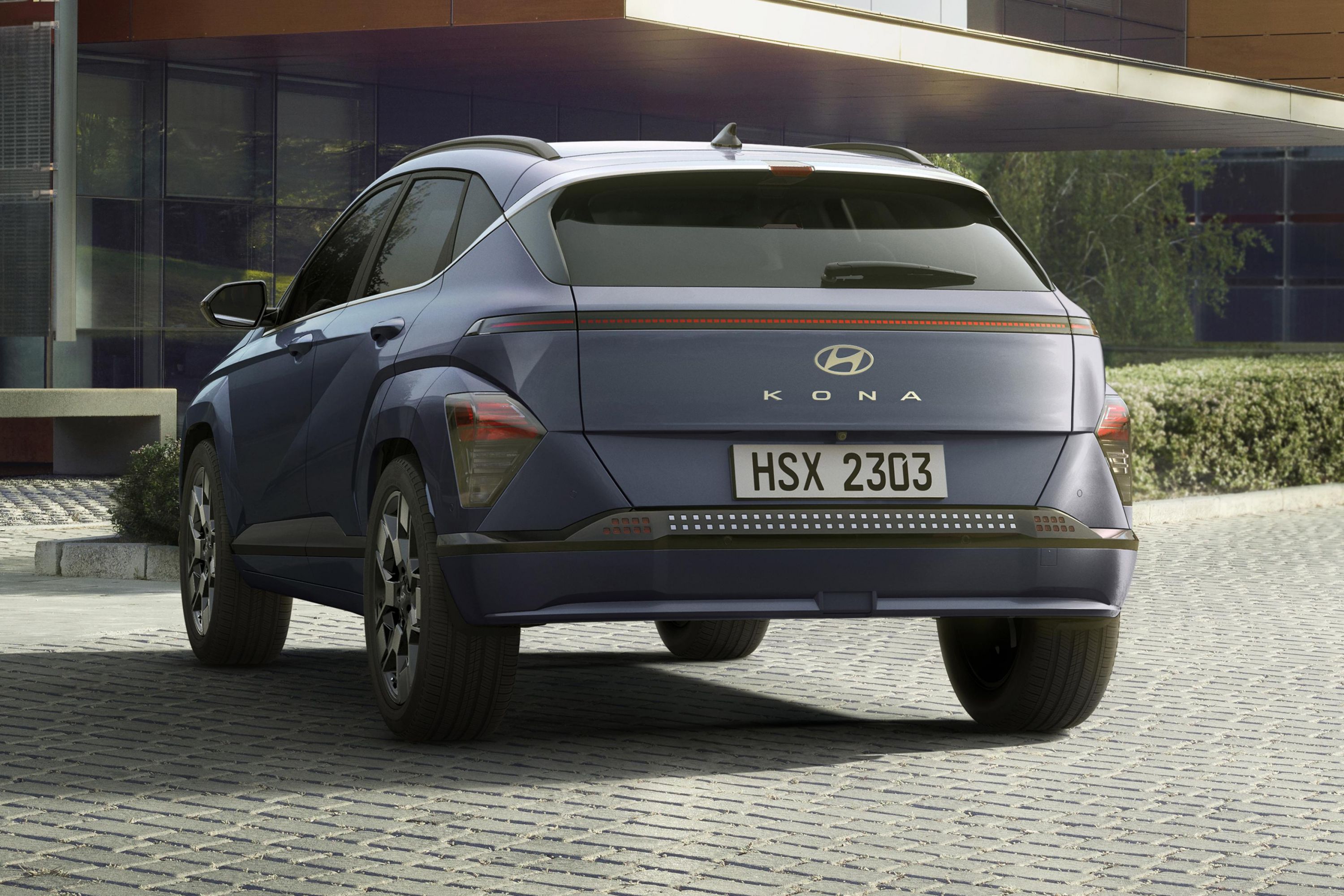
Imagine a future where your electric vehicle anticipates your needs, learns your driving habits, and adapts to your preferences in real-time. That future might be closer than you think! Hyundai is making waves with its ambitious plan to launch an AI-powered EV in 2025, and the buzz is only getting louder.
Let's be honest, sometimes navigating the world of electric vehicles can feel a bit… disconnected. Range anxiety, confusing charging options, and a lack of truly personalized driving experiences are just some of the hurdles that potential EV adopters face. Many dream of an EV that seamlessly integrates into their lives, offering not just eco-friendly transportation but also a smart, intuitive, and enjoyable driving experience.
This announcement is for the tech-savvy early adopters, the environmentally conscious consumers, and anyone who's looking for the next leap forward in automotive technology. Hyundai's 2025 AI-powered EV aims to bridge the gap between cutting-edge technology and everyday usability, promising a vehicle that learns, adapts, and enhances the driving experience in ways we haven't seen before.
Hyundai's bold move to integrate AI into its EV lineup is generating significant excitement. The 2025 launch promises a new era of personalized driving, with vehicles that learn and adapt to driver behavior. This initiative underscores Hyundai's commitment to innovation and its ambition to lead the charge in the evolving landscape of electric mobility. The key takeaway? Get ready for EVs that are not just electric, but intelligent. Key words include: AI-powered EV, Hyundai, 2025, electric vehicles, personalized driving, automotive technology.
Hyundai's AI-Powered EV: A Glimpse into the Future
My first car was a beat-up, gas-guzzling sedan that seemed to have a mind of its own – and not in a good way. It was purely reactive; it responded to my inputs, but it certainly didn't anticipate them. Imagine a world where your car does more than just react; it anticipates. That's the promise of Hyundai's AI-powered EV. The goal of Hyundai's initiative is clear: to create an electric vehicle that is not just a mode of transportation but a smart, intuitive companion on the road. The AI will be designed to learn driver habits, predict needs, and personalize the entire driving experience.
This isn't just about fancy gadgets; it's about creating a safer, more efficient, and more enjoyable driving experience. Think about it: the AI could monitor your driving patterns and suggest optimal routes to conserve energy. It could learn your preferred cabin temperature and automatically adjust the climate control. It could even anticipate potential hazards on the road and provide timely warnings. The possibilities are endless, and Hyundai is clearly aiming to push the boundaries of what's possible with automotive AI.
The Core Technology Behind the AI Integration
So, what exactly does "AI-powered" mean in this context? It's a complex question with a multifaceted answer. At its core, the AI will likely rely on a combination of machine learning algorithms, sensor data, and cloud connectivity. Machine learning will allow the vehicle to learn from vast amounts of data, identifying patterns and making predictions about driver behavior and road conditions. Sensors, including cameras, radar, and lidar, will provide the AI with a real-time view of the vehicle's surroundings. And cloud connectivity will enable the AI to access updated maps, traffic information, and other relevant data.
The integration of these technologies will enable the AI to perform a wide range of tasks, from adaptive cruise control and lane keeping assistance to personalized infotainment and energy management. It's important to note that the AI will not be fully autonomous, at least not initially. Instead, it will serve as a sophisticated assistant, providing drivers with enhanced support and a more intuitive driving experience. The development of such a system requires significant investment in research and development, as well as collaboration with leading AI experts. Hyundai's commitment to this project signals its belief that AI will play a crucial role in the future of automotive technology.
A Brief History of AI in the Automotive Industry
While Hyundai's 2025 EV may represent a significant leap forward, the integration of AI into the automotive industry is not entirely new. For years, automakers have been experimenting with various AI-powered features, such as adaptive cruise control, automatic emergency braking, and lane departure warning systems. These early applications of AI have primarily focused on enhancing safety and driver assistance.
However, the recent advancements in AI technology, particularly in the areas of machine learning and computer vision, have opened up new possibilities for more sophisticated and personalized driving experiences. The myth of fully autonomous vehicles, once relegated to science fiction, is now closer to reality than ever before. While true self-driving cars may still be years away, the integration of AI into EVs is paving the way for a future where vehicles are not just modes of transportation but intelligent companions on the road. Hyundai's commitment to this vision is a testament to the transformative potential of AI in the automotive industry.
Unveiling the Hidden Secrets of Hyundai's AI-Powered EV
Beyond the flashy headlines and marketing buzz, what are the hidden secrets of Hyundai's AI-powered EV? One key aspect is the emphasis on personalization. The AI will be designed to learn driver preferences and adapt the vehicle's settings accordingly. This could include adjusting the seat position, climate control, infotainment settings, and even the driving mode to match the driver's individual style and needs.
Another hidden secret is the focus on energy efficiency. The AI will be able to optimize energy consumption by monitoring driving patterns, road conditions, and weather forecasts. It could suggest optimal routes to conserve energy, adjust the regenerative braking system, and even provide personalized tips on how to drive more efficiently. Furthermore, the AI will likely have advanced diagnostic capabilities, allowing it to identify potential maintenance issues before they become major problems. This could save drivers time and money by preventing costly repairs. The AI will also have capability to predict the battery life and can navigate car to charging stations.
Recommendations for the Future of AI in EVs
As Hyundai prepares to launch its AI-powered EV in 2025, there are several recommendations to consider for the future of AI in electric vehicles. First and foremost, prioritize safety. The AI should be rigorously tested and validated to ensure that it operates reliably and safely in all driving conditions. This includes addressing potential vulnerabilities to hacking and ensuring that the AI can handle unexpected events or emergencies.
Second, focus on transparency and explainability. Drivers should understand how the AI is making decisions and have the ability to override its recommendations if necessary. This will build trust and confidence in the technology. Third, embrace collaboration. Hyundai should work with leading AI experts, technology companies, and regulatory agencies to develop industry standards and best practices for the integration of AI into EVs. And fourth, continue to innovate. The potential of AI in EVs is vast, and Hyundai should continue to explore new ways to enhance the driving experience, improve safety, and promote sustainability.
The Role of Data Privacy and Security in AI-Powered EVs
Data privacy and security are paramount when it comes to AI-powered EVs. The AI will collect vast amounts of data about driver behavior, vehicle performance, and location. It's crucial that this data is protected from unauthorized access and misuse. Hyundai should implement robust security measures to safeguard driver data and ensure compliance with relevant privacy regulations.
This includes encrypting data both in transit and at rest, implementing strong authentication protocols, and providing drivers with clear and transparent information about how their data is being collected, used, and shared. Drivers should also have the ability to control the data that is being collected and opt out of certain data collection practices if they choose. Furthermore, Hyundai should establish a comprehensive data governance framework to ensure that data is being used responsibly and ethically.
Practical Tips for Embracing AI in Your Next EV
The arrival of AI-powered EVs like Hyundai's 2025 model will require drivers to adapt to a new way of interacting with their vehicles. Here are some practical tips for embracing AI in your next EV. First, be open to learning. Take the time to understand how the AI works and how it can enhance your driving experience. Read the owner's manual, watch online tutorials, and experiment with the various AI-powered features.
Second, provide feedback. The AI will learn from your driving habits and preferences, so it's important to provide it with accurate and relevant feedback. This could include adjusting the settings, providing verbal commands, or simply driving in a way that reflects your desired driving style. Third, be patient. The AI may take some time to learn your preferences and adapt to your driving style. Don't get discouraged if it doesn't immediately perform perfectly. And fourth, prioritize safety. Always remain aware of your surroundings and be prepared to take control of the vehicle if necessary. The AI is there to assist you, but it's not a substitute for responsible driving.
The Ethical Considerations of AI in Automotive Technology
The integration of AI into automotive technology raises a number of ethical considerations. One key issue is bias. AI algorithms are trained on data, and if that data is biased, the AI may perpetuate those biases. For example, an AI system trained on data that predominantly features male drivers may not perform as well for female drivers. It's important to ensure that the data used to train AI systems is diverse and representative of the population as a whole.
Another ethical consideration is accountability. If an AI-powered vehicle is involved in an accident, who is responsible? Is it the driver, the manufacturer, or the AI system itself? These are complex questions that require careful consideration. It's also important to address the potential impact of AI on employment. As AI becomes more prevalent in the automotive industry, it could lead to job losses for drivers, mechanics, and other workers. It's important to provide these workers with the training and support they need to transition to new roles.
Fun Facts About the Hyundai AI-Powered EV Launch
Did you know that Hyundai has been investing heavily in AI research and development for several years? The company has established AI centers around the world, including in the United States, South Korea, and Israel. Hyundai is also collaborating with leading AI startups and universities to accelerate the development of AI technology for automotive applications.
Another fun fact is that Hyundai's AI-powered EV will likely feature a voice assistant that is capable of understanding natural language. This will allow drivers to control various vehicle functions using voice commands, such as adjusting the climate control, playing music, and making phone calls. The AI will also be able to provide drivers with real-time information about traffic, weather, and points of interest. And finally, Hyundai's AI-powered EV will likely be equipped with over-the-air software updates, allowing the company to continuously improve the AI system and add new features over time.
How to Prepare for the Arrival of AI-Powered EVs
The arrival of AI-powered EVs is likely to have a significant impact on the automotive industry and the way we drive. Here are some tips on how to prepare for this technological shift. First, stay informed. Keep up-to-date on the latest developments in AI and automotive technology. Read industry publications, attend conferences, and follow leading experts on social media.
Second, consider taking a course or workshop on AI. This will help you understand the fundamentals of AI and how it is being applied in various industries. Third, experiment with AI-powered applications. There are many AI-powered apps and tools available that you can use to learn about AI and its capabilities. And fourth, be open to change. The automotive industry is evolving rapidly, and it's important to be adaptable and willing to embrace new technologies.
What if Hyundai's AI-Powered EV Isn't What We Expect?
It's important to acknowledge that there is always a risk that Hyundai's AI-powered EV may not live up to the hype. What if the AI is buggy or unreliable? What if it's too intrusive or difficult to use? What if it doesn't deliver the promised benefits in terms of safety, efficiency, or personalization? In that case, it's important to be realistic about the limitations of the technology and not blindly accept the marketing claims. It's also important to provide constructive feedback to Hyundai so that the company can address the issues and improve the AI system.
Ultimately, the success of Hyundai's AI-powered EV will depend on whether it can provide drivers with a tangible and meaningful benefit. If the AI can genuinely enhance the driving experience, improve safety, and promote sustainability, then it will be a success. But if it falls short of these goals, it may be seen as just another gimmick. The other factor to keep in mind is the price point. If the price is too high, it is difficult to get wide range acceptance from consumers.
Top 5 Things to Know About Hyundai's AI-Powered EV Launch
Here's a quick listicle summarizing the top 5 things you need to know about Hyundai's upcoming AI-powered EV. First, expect a 2025 launch date. Mark your calendars, because Hyundai is aiming to release this groundbreaking vehicle in just a few years. Second, prepare for personalized driving. The AI will learn your habits and preferences to create a customized driving experience.
Third, safety will be a priority. The AI will be designed to enhance safety and provide drivers with enhanced support on the road. Fourth, efficiency is key. The AI will optimize energy consumption and promote sustainable driving practices. And fifth, expect a significant investment in AI technology. Hyundai is committed to pushing the boundaries of what's possible with automotive AI. In summary, AI-powered EV launch from Hyundai will be one of the major turning point of EV industry.
Question and Answer about Hyundai Plans AI-Powered EV Launch in 2025
Q: When is Hyundai planning to launch its AI-powered EV?
A: Hyundai is aiming to launch its AI-powered EV in 2025.
Q: What are the key features of Hyundai's AI-powered EV?
A: Key features include personalized driving, enhanced safety, optimized efficiency, and a significant investment in AI technology.
Q: What is the role of AI in Hyundai's new EV?
A: The AI will learn driver habits, predict needs, personalize the driving experience, enhance safety, and optimize energy consumption.
Q: What are the potential benefits of AI in EVs?
A: Potential benefits include a more intuitive driving experience, improved safety, increased energy efficiency, and personalized vehicle settings.
Conclusion of Hyundai Plans AI-Powered EV Launch in 2025
Hyundai's ambitious plan to launch an AI-powered EV in 2025 represents a significant step forward in the evolution of electric vehicles. By integrating AI into its EV lineup, Hyundai is aiming to create a new generation of vehicles that are not just electric but intelligent, personalized, and sustainable. While there are still challenges to overcome, the potential benefits of AI in EVs are undeniable. As Hyundai moves closer to its 2025 launch date, it will be exciting to see how this groundbreaking technology transforms the way we drive.